Start with the right garage door maintenance & tune-ups assessment
Maintenance starts with observation, not turning every adjustment screw. New vibration, a scraping sound, frayed cable strands or a shifting bracket are useful warning signs. A tune-up assesses condition, moving hardware, balance and safety features; it does not make a damaged spring or deformed track safe by adding lubricant.
Follow the door and opener manuals for owner maintenance. Keep sensor lenses and the floor path clear. Use only manufacturer-approved lubricants at the specified points; grease in the tracks can collect dirt. Leave springs, cables, bottom brackets and force adjustments to trained service personnel. Stop routine use if the door becomes unstable.
What a complete inspection considers
- Visible cable and hardware wear
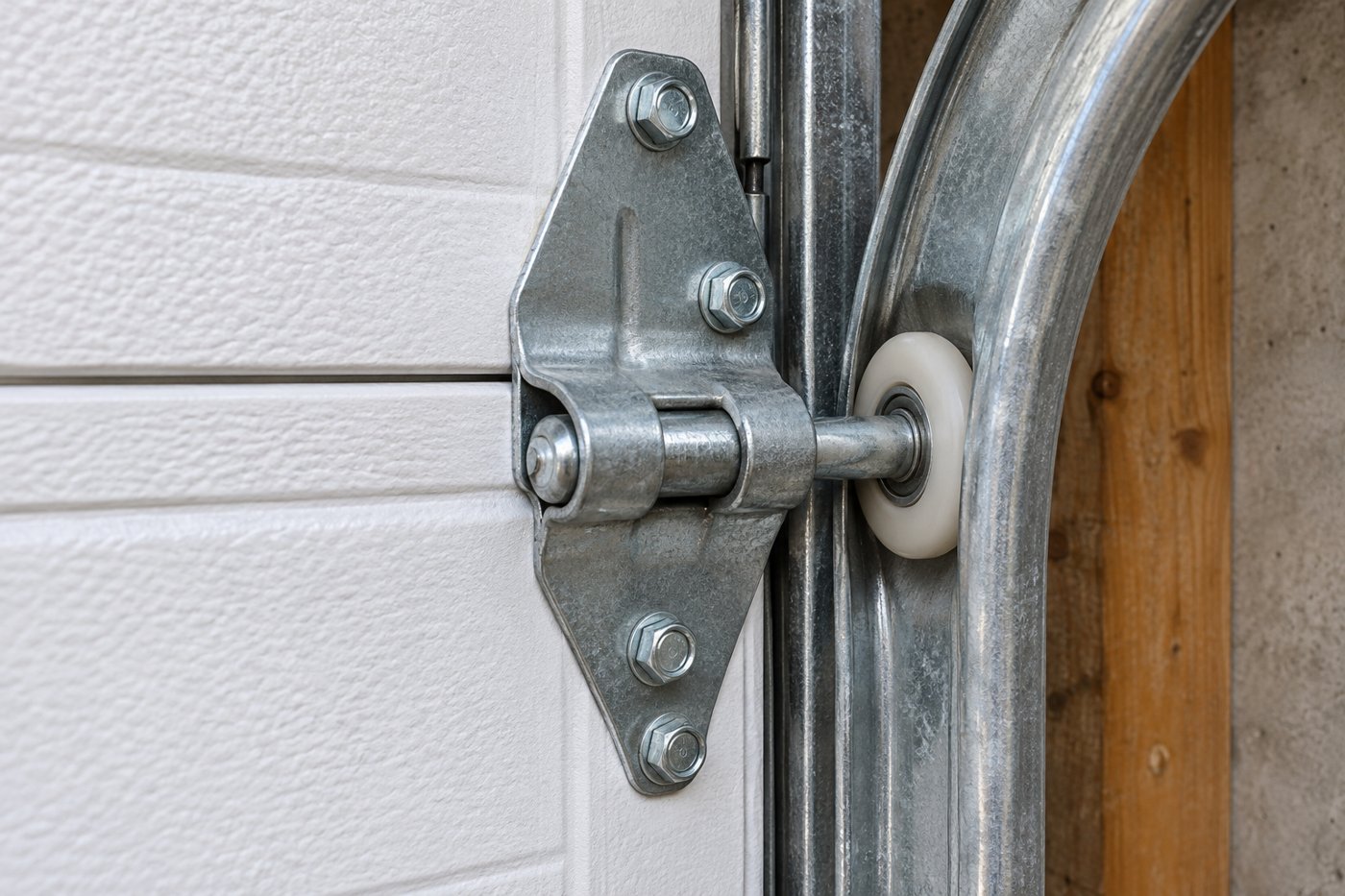
- Rollers and hinge condition
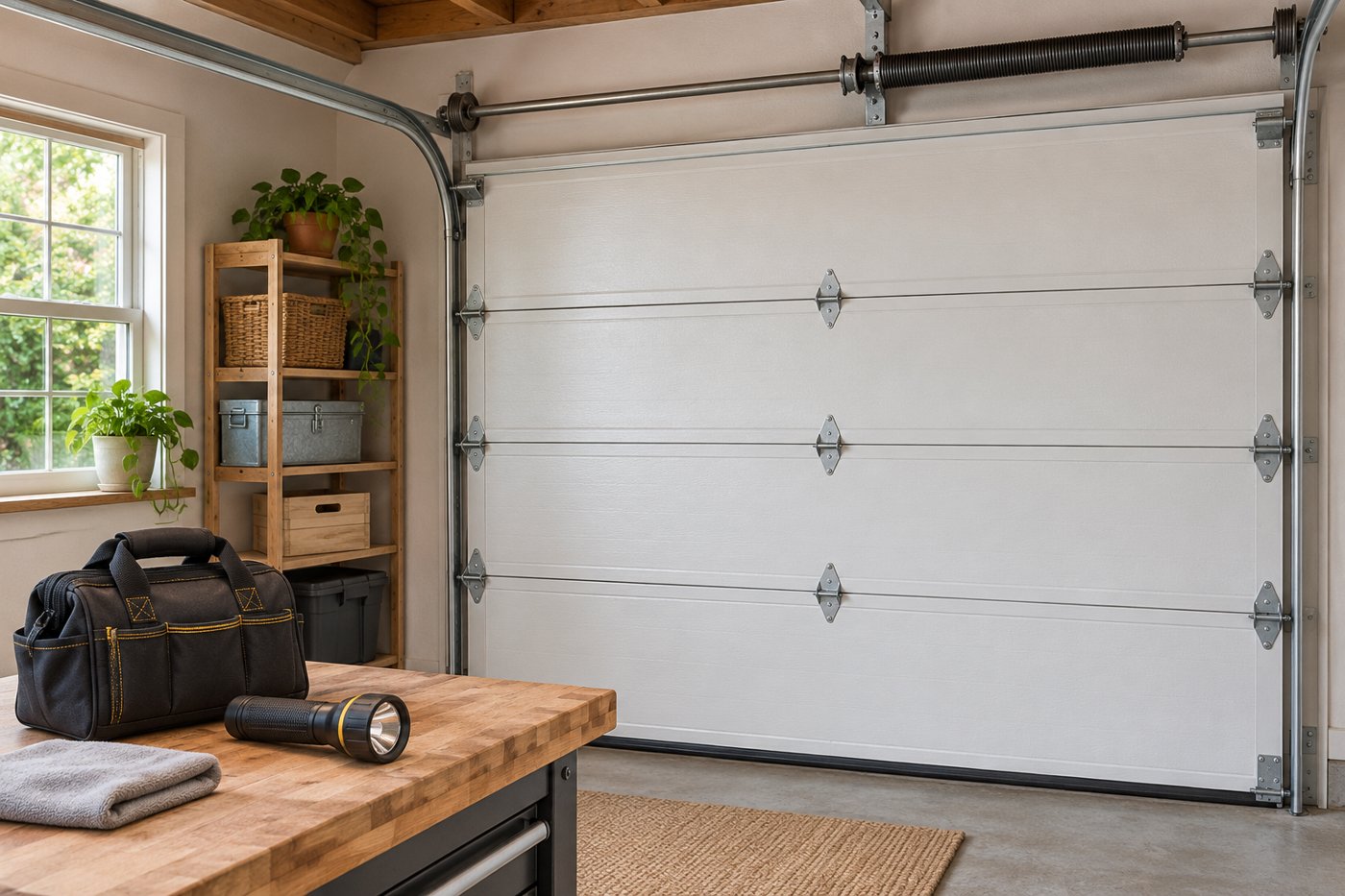
- Track alignment and attachment
- Balance and smooth travel
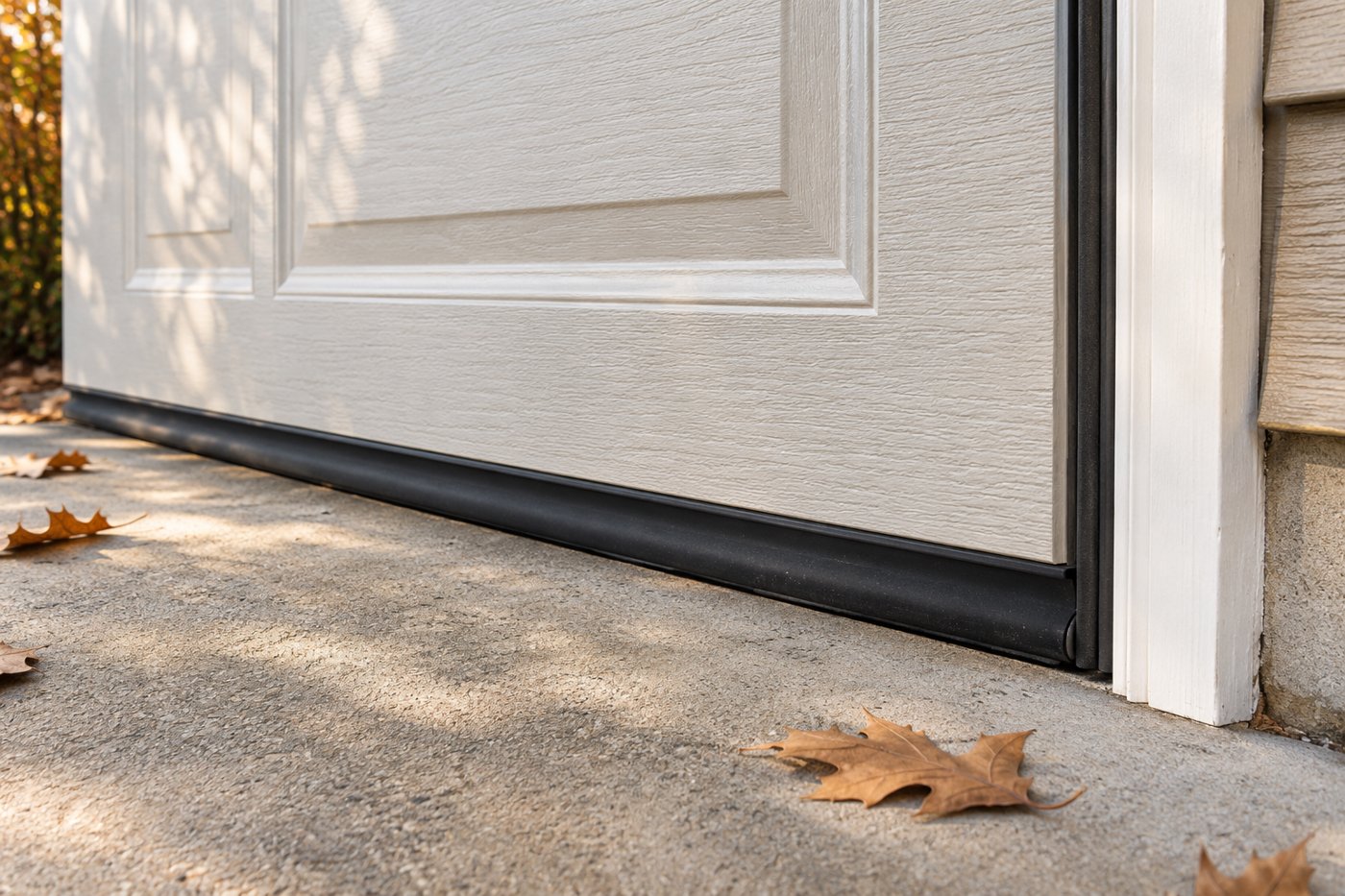
- Weather-seal fit
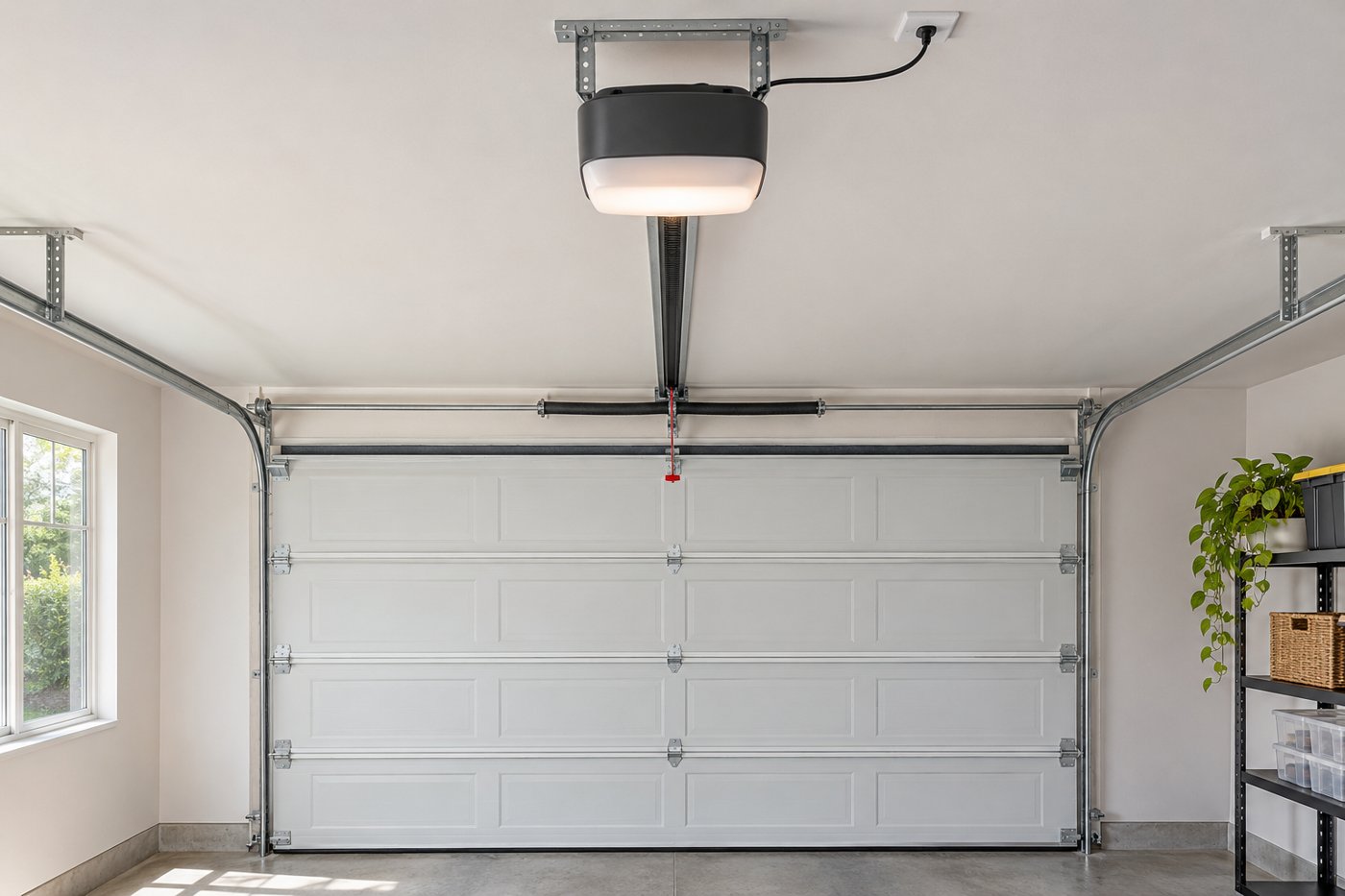
- Opener safety functions
A useful repair scope names the affected components, explains what is reusable and describes the checks needed before normal operation resumes. Ask which parts are model-specific and whether an alternative changes the door's function. A photograph can help identify a system, but a remote conversation cannot establish balance, structural attachment or safe travel.
Local conditions in Phoenix
Desert dust, strong sunlight and heat exposure are useful details to mention, but they do not diagnose a failure. Note which side of the door faces afternoon sun and whether the symptom is constant or time-dependent. For a site in one of the listed covered ZIPs, give the postal code and access details first. Door type, size and current position help establish the next step. Calls and repair requests are accepted 24/7; the service scope and local scheduling are confirmed by phone.
Work scope and handover
Describe how often the garage is used, recent impact and when the sound occurs. A written scope helps separate routine lubrication and inspection from parts that need repair. Ask for the findings, any limitations and the owner checks to repeat. Maintenance intervals depend on use, exposure and manufacturer instructions, not a blanket promise.
Before a visit, clear the approach without walking beneath an unstable door. Keep pets and children away, identify an alternate entrance and leave high-tension components alone. If the door is stuck open, report the position and whether the area can be kept secure. Do not improvise supports or try to lift a damaged door with a vehicle.
Choose the next step for your system
For motor or control symptoms, compare opener diagnosis with new opener planning. When panels or hardware are no longer compatible, read the replacement assessment. Routine checks belong in a maintenance visit, while a heavy or unbalanced door needs spring-system assessment.
See the covered localities and ZIPs before calling. Our repair decision guide explains what information is most useful when describing a fault.