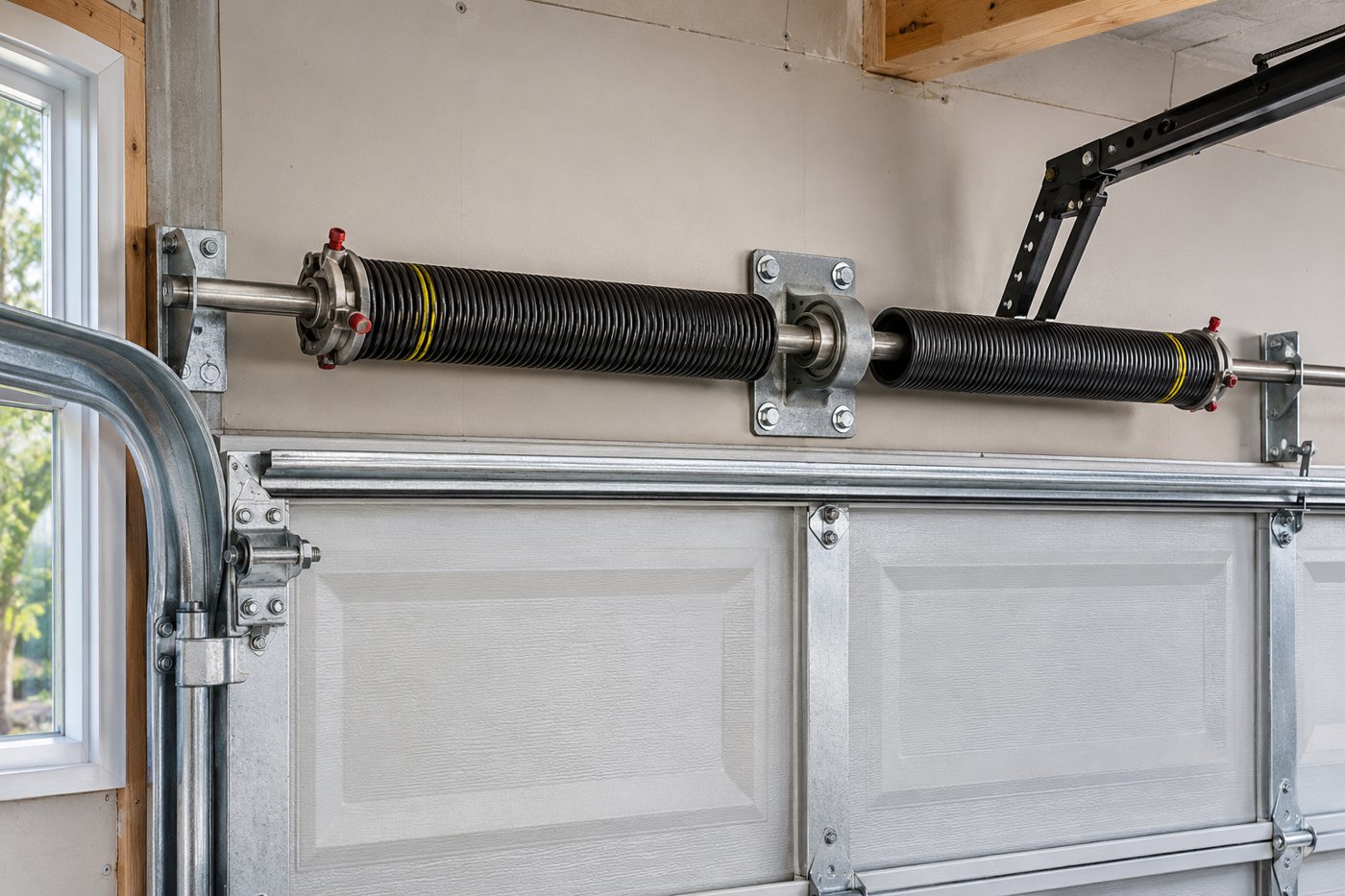
Start with the right garage door spring repair assessment
A sudden bang followed by a door that will not lift can indicate a broken spring. A visible gap in a torsion spring, an unusually heavy door or an opener straining under load also warrants professional inspection. Stop using the opener and keep people away from the opening. Springs and connected hardware store substantial energy.
Do not loosen winding cones, bottom brackets, drums or cables. Do not pull an emergency release beneath an open door with suspected spring damage: the door may fall. A qualified technician measures the system and selects compatible springs; color or a neighbor’s part number does not establish the correct specification for your door.
What a complete inspection considers
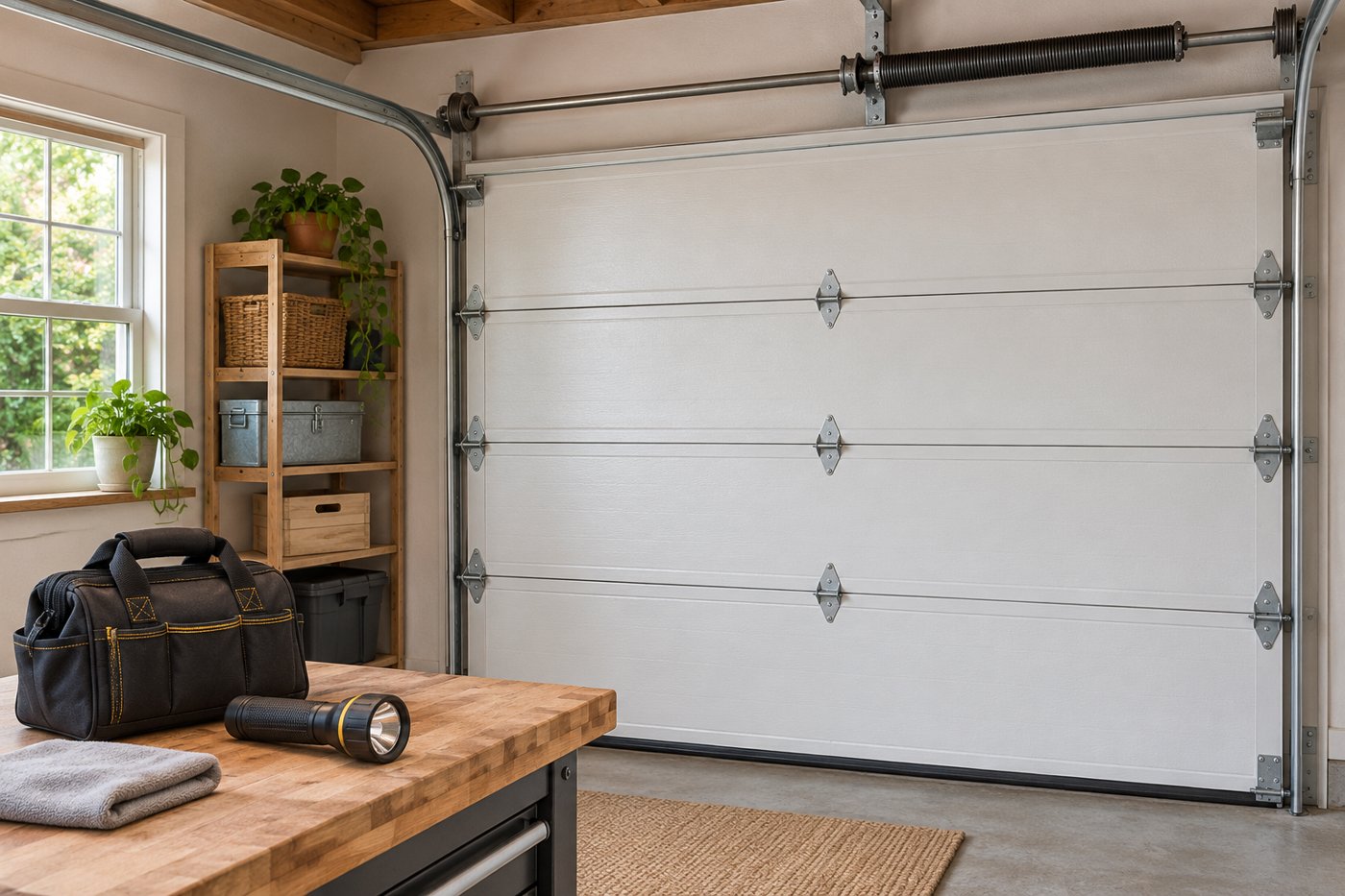
- Torsion versus extension layout
- Door weight and dimensions
- Spring specification and cycle use
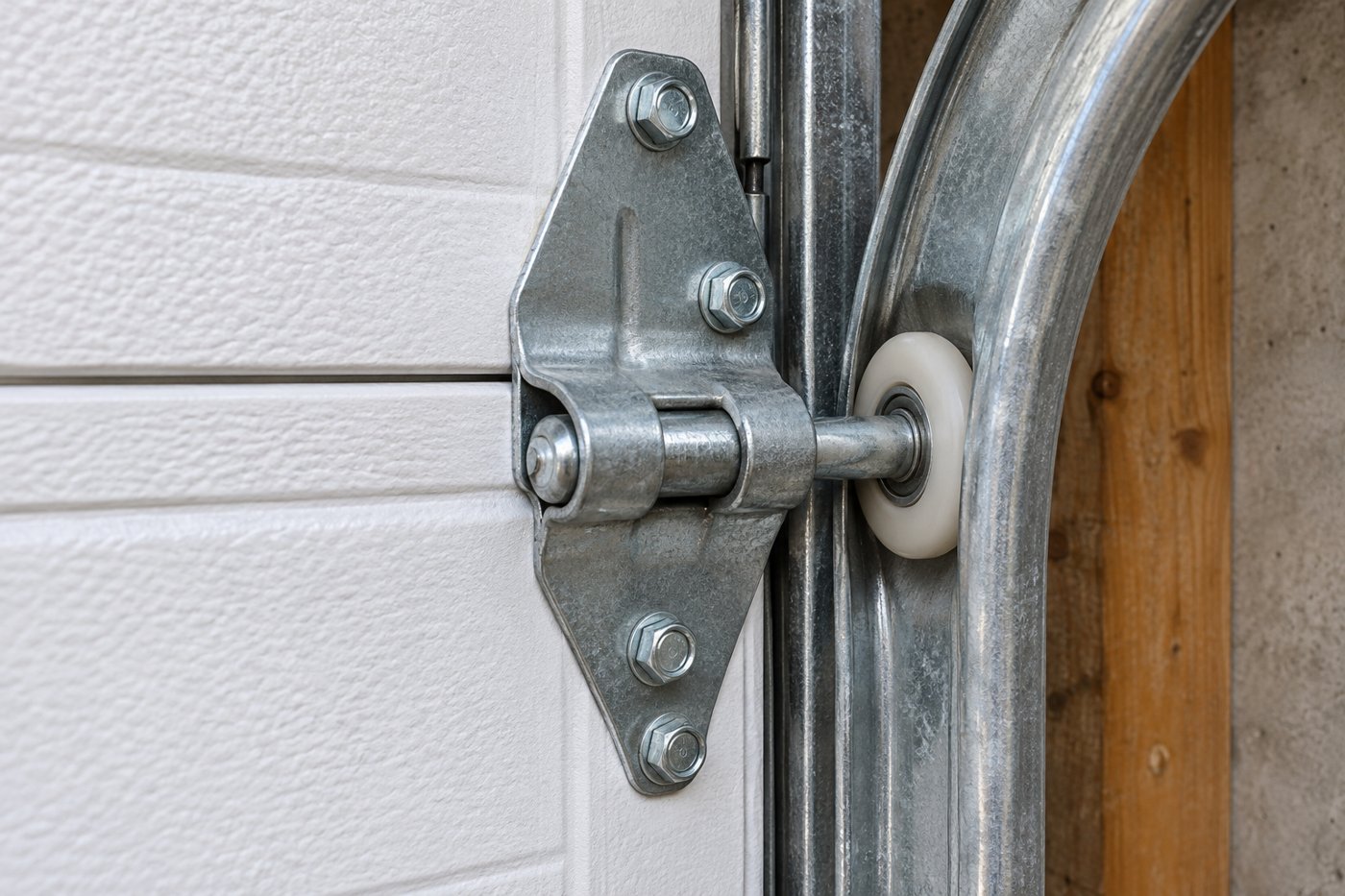
- Cable and drum condition
- Bearing and shaft wear
- Balance after replacement
A useful repair scope names the affected components, explains what is reusable and describes the checks needed before normal operation resumes. Ask which parts are model-specific and whether an alternative changes the door's function. A photograph can help identify a system, but a remote conversation cannot establish balance, structural attachment or safe travel.
Local conditions in Phoenix
Desert dust, strong sunlight and heat exposure are useful details to mention, but they do not diagnose a failure. Note which side of the door faces afternoon sun and whether the symptom is constant or time-dependent. For a site in one of the listed covered ZIPs, give the postal code and access details first. Door type, size and current position help establish the next step. Calls and repair requests are accepted 24/7; the service scope and local scheduling are confirmed by phone.
Work scope and handover
A replacement spring is only part of the assessment. Uneven cable tension, worn bearings or a damaged anchor can affect the result. Ask how the door balance will be verified before reconnecting the operator and whether the paired spring arrangement has been evaluated. Final checks should include controlled travel and the opener safety features.
Before a visit, clear the approach without walking beneath an unstable door. Keep pets and children away, identify an alternate entrance and leave high-tension components alone. If the door is stuck open, report the position and whether the area can be kept secure. Do not improvise supports or try to lift a damaged door with a vehicle.
Choose the next step for your system
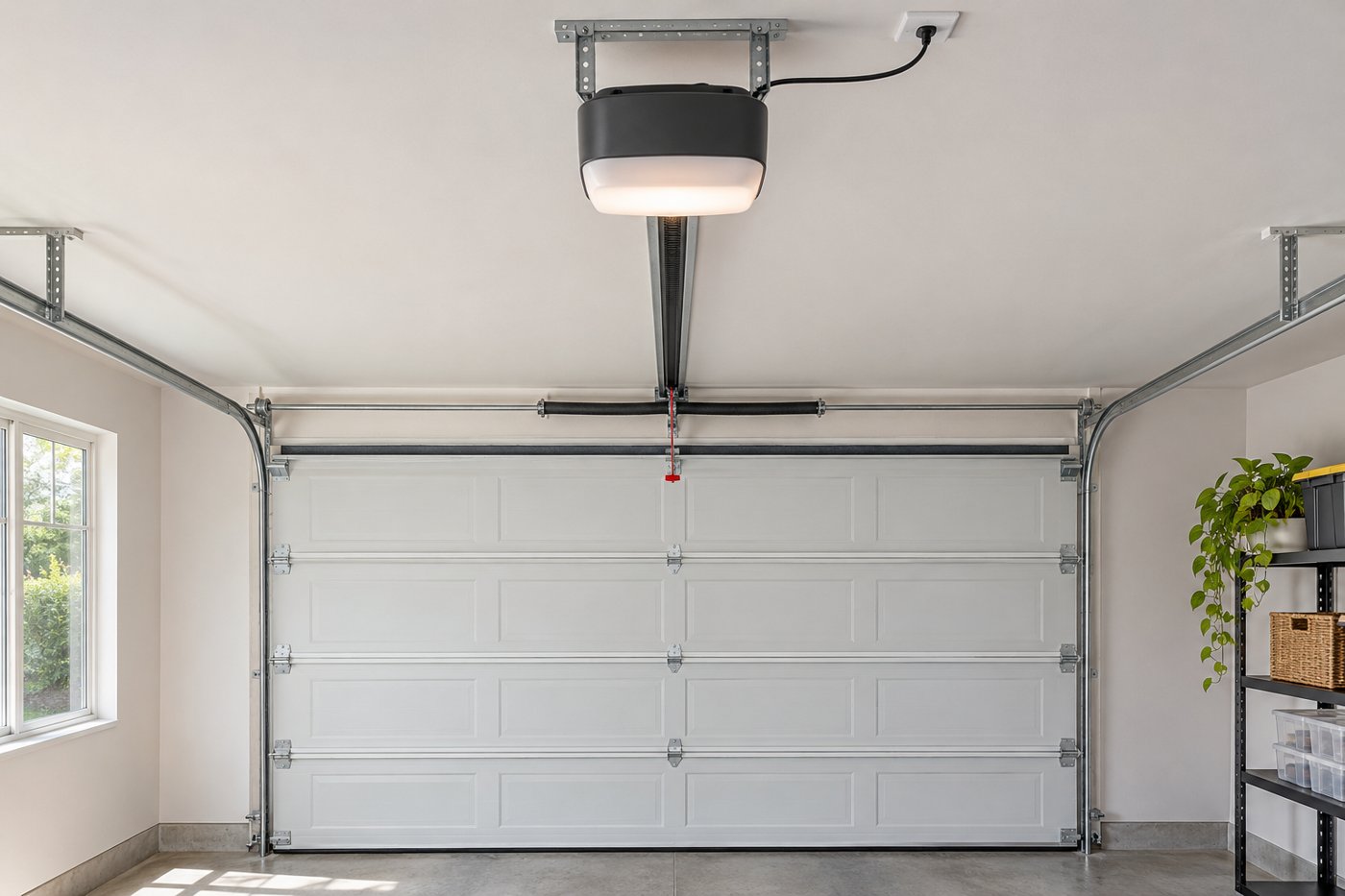
For motor or control symptoms, compare opener diagnosis with new opener planning. When panels or hardware are no longer compatible, read the replacement assessment. Routine checks belong in a maintenance visit, while a heavy or unbalanced door needs spring-system assessment.
See the covered localities and ZIPs before calling. Our repair decision guide explains what information is most useful when describing a fault.